How Does pH Affect Flocculation? A Complete Guide
Understanding Flocculation
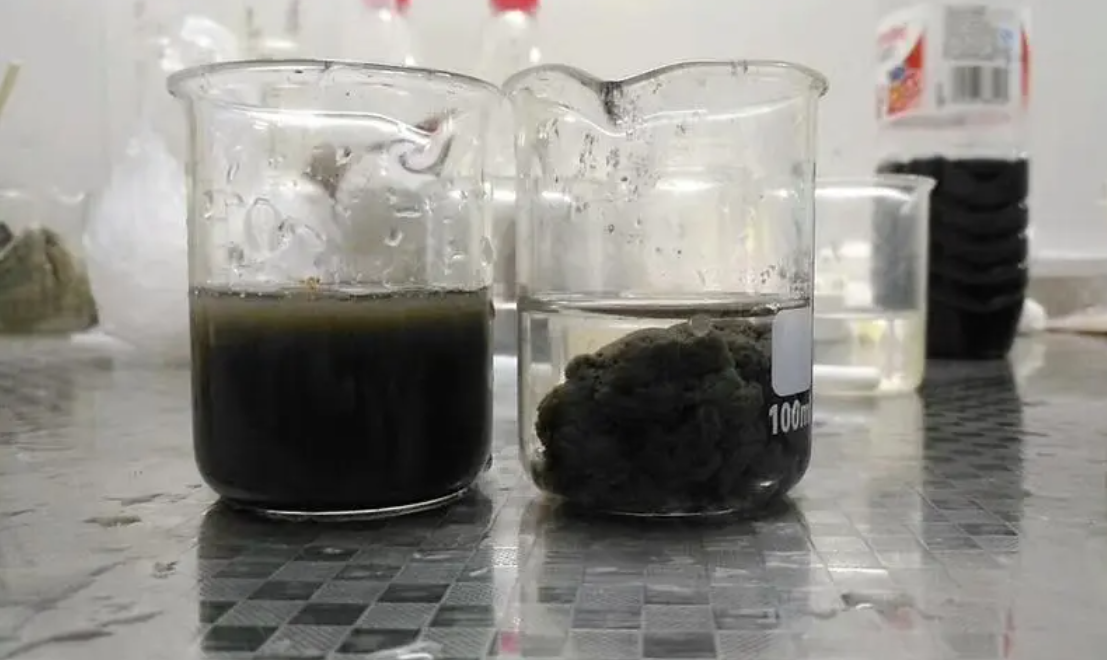
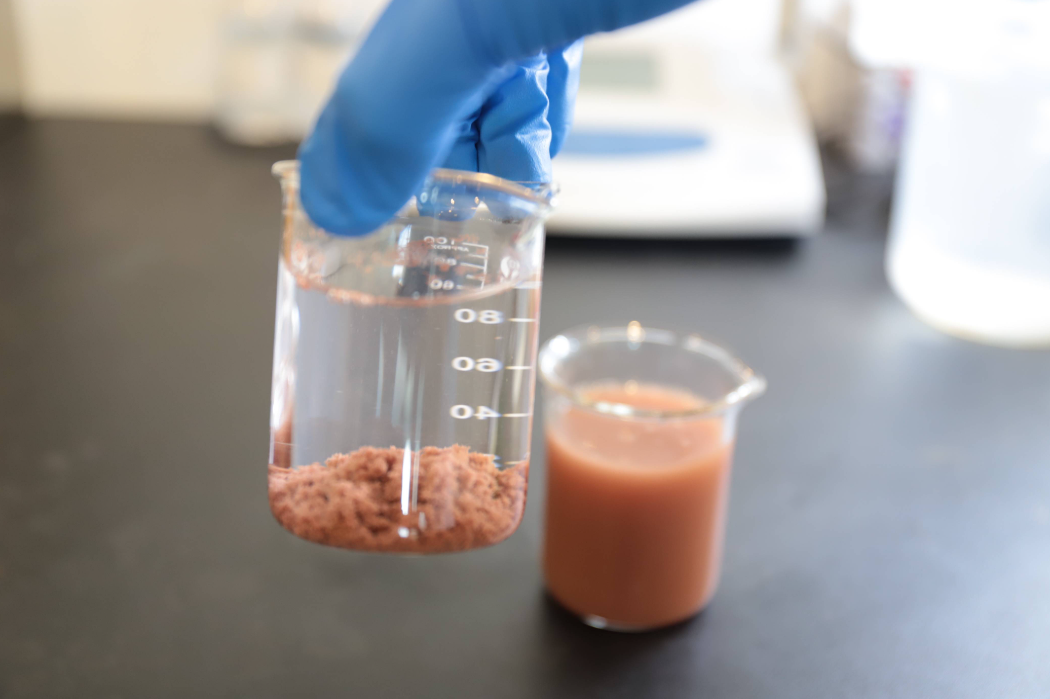
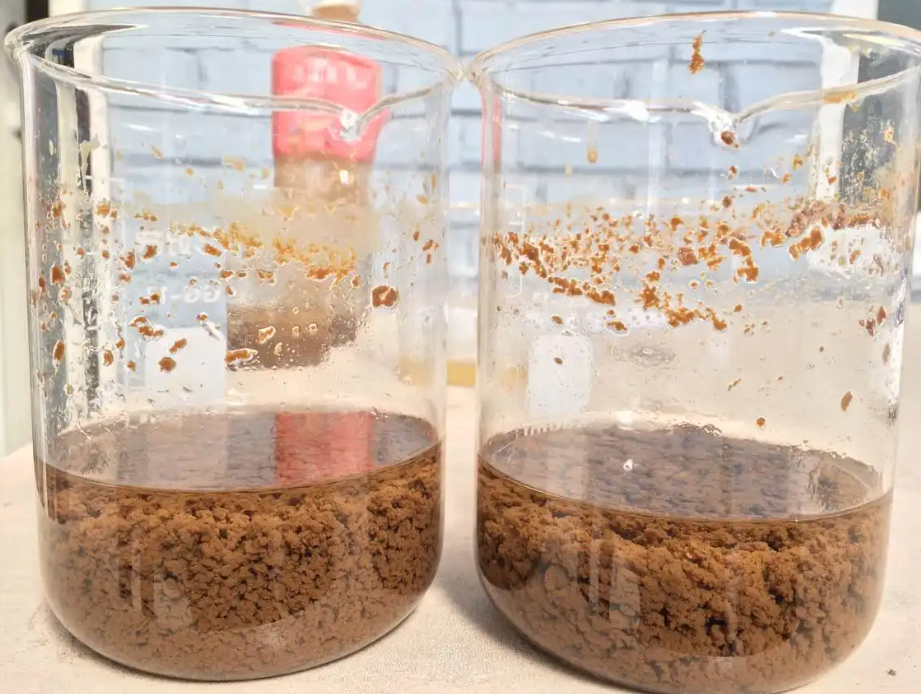
Flocculation is a critical process in water treatment, where small particles in a liquid aggregate to form larger, more easily removable clumps known as “flocs.” This process is widely used in industries such as municipal water treatment, wastewater management, and even food production.
The Role of pH in Flocculation
pH, which measures the acidity or alkalinity of a solution, plays a pivotal role in the efficiency of flocculation. The effectiveness of flocculation depends on the interaction between the particles to be removed and the coagulants or flocculants added to the water. These interactions are highly sensitive to pH levels.
How pH Affects Coagulation and Flocculation
Coagulants, such as aluminum sulfate or ferric chloride, are used to neutralize the charge of suspended particles, allowing them to clump together. The pH of the water determines the solubility and charge of these coagulants. For example:
- Low pH (Acidic Environment): Excess acidity can dissolve the coagulant, making it less effective.
- Neutral pH: Most coagulants work best in a pH range of 6.5 to 8.5, where the charge neutralization and precipitation processes are optimal.
- High pH (Alkaline Environment): Excess alkalinity can lead to poor coagulation and the formation of unwanted by-products.
Finding the Optimal pH for Flocculation
Determining the ideal pH for flocculation depends on the specific type of water being treated and the coagulant used. Jar testing, a laboratory procedure, is often employed to find the best pH range for a particular water sample.
Consequences of Incorrect pH Levels
Failing to maintain the proper pH level can result in poor floc formation, reduced treatment efficiency, and higher operational costs. Additionally, improper pH levels can lead to the formation of harmful by-products, which may pose health and environmental risks.
Practical Tips for Managing pH in Flocculation
Here are some tips to ensure optimal pH control during the flocculation process:
- Use a reliable pH meter for continuous monitoring.
- Adjust pH levels using acids (e.g., sulfuric acid) or bases (e.g., sodium hydroxide) as needed.
- Regularly conduct jar tests to validate the effectiveness of your pH adjustments.
Conclusion
pH is a critical factor that directly impacts the efficiency of flocculation in water treatment. By understanding the relationship between pH and flocculation, you can optimize your water treatment processes, enhance efficiency, and reduce costs. Ensure that you maintain the correct pH levels to achieve the best results in your flocculation efforts.
About the Author